|
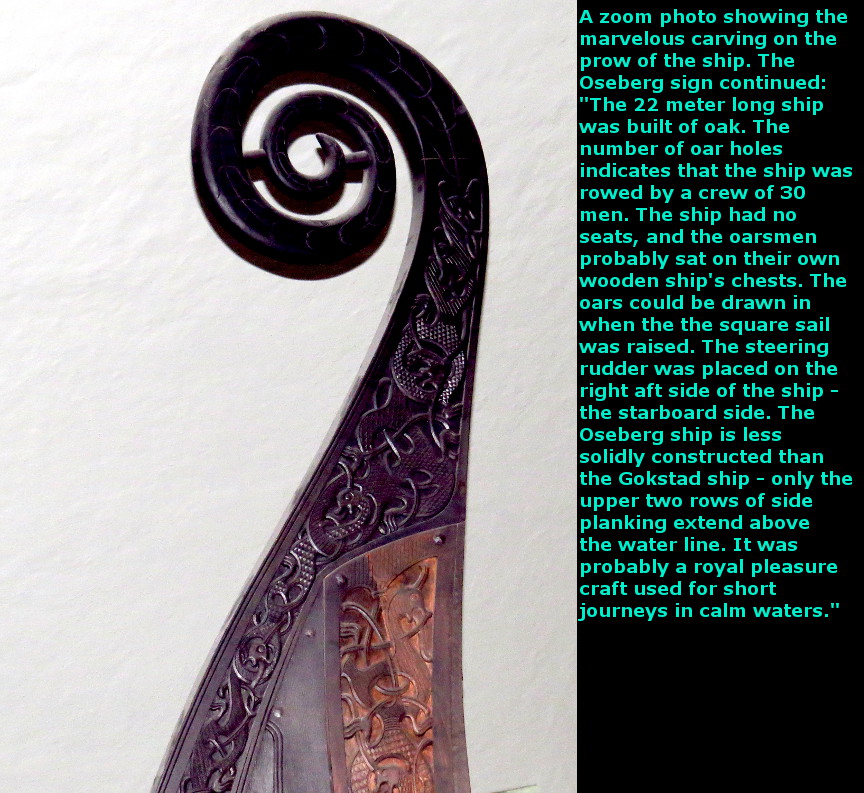
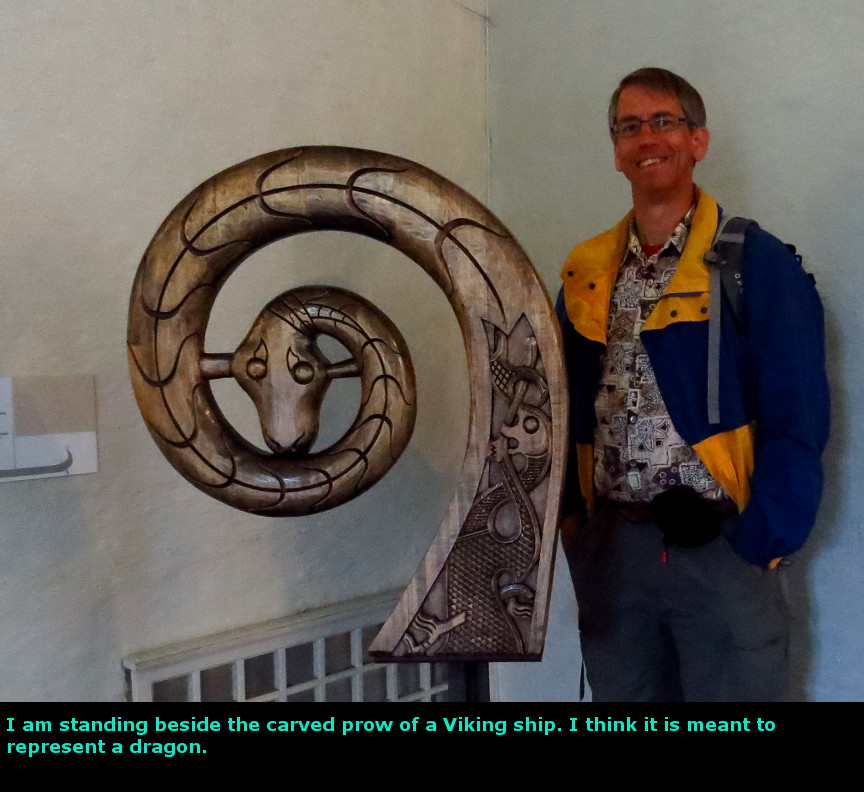
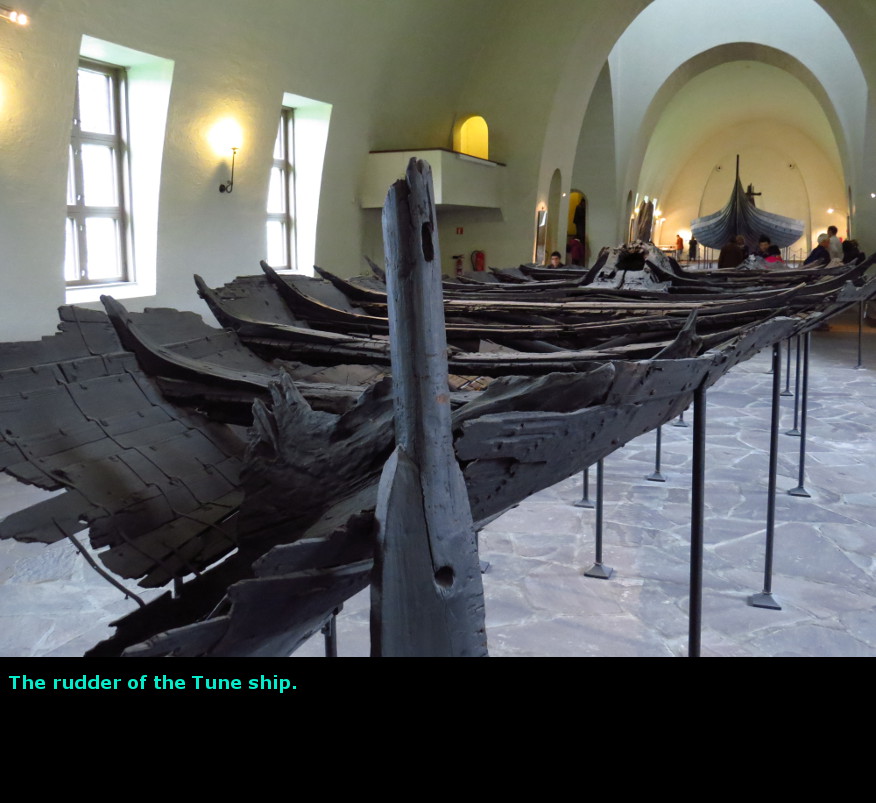
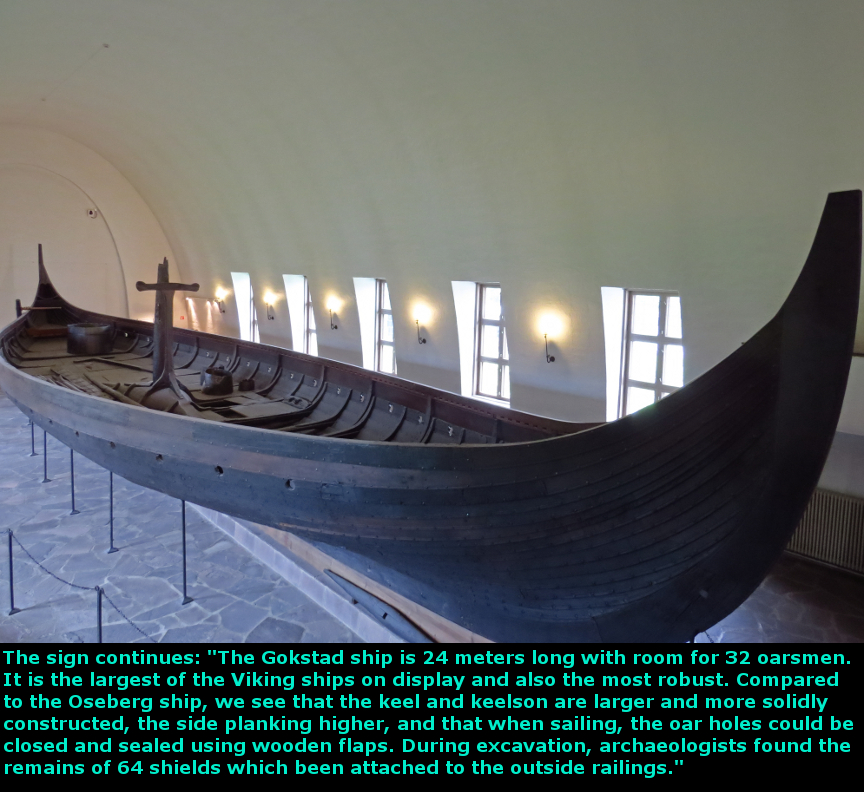
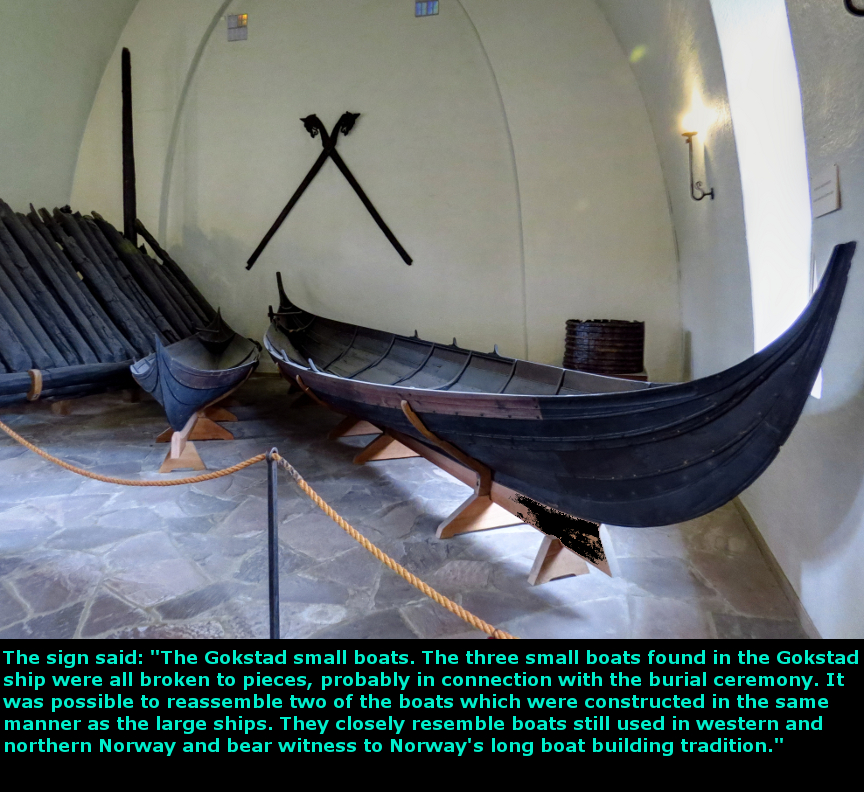
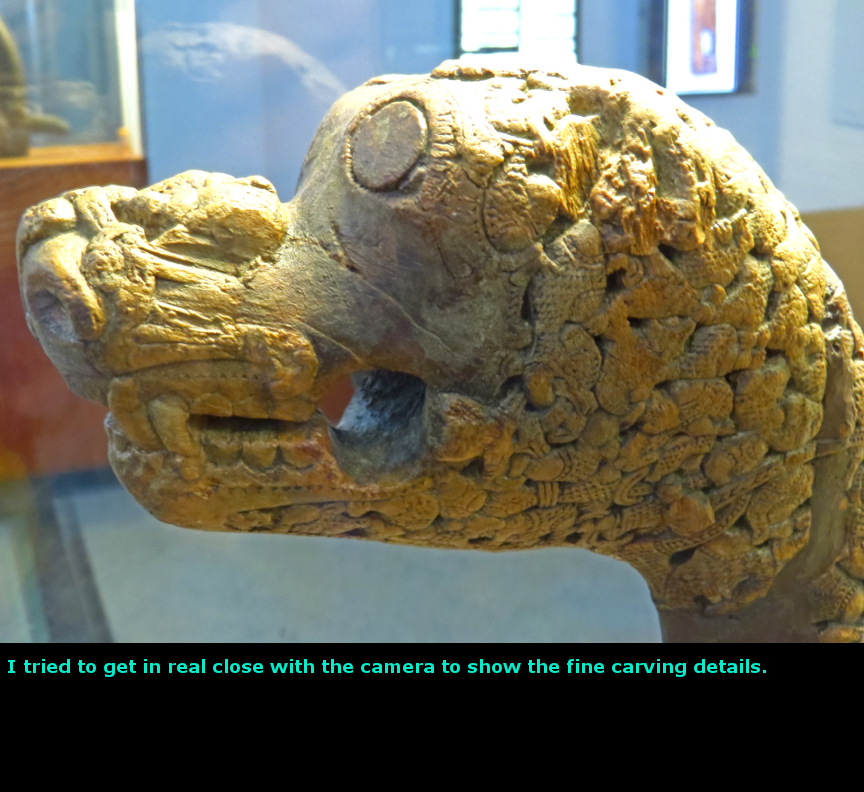
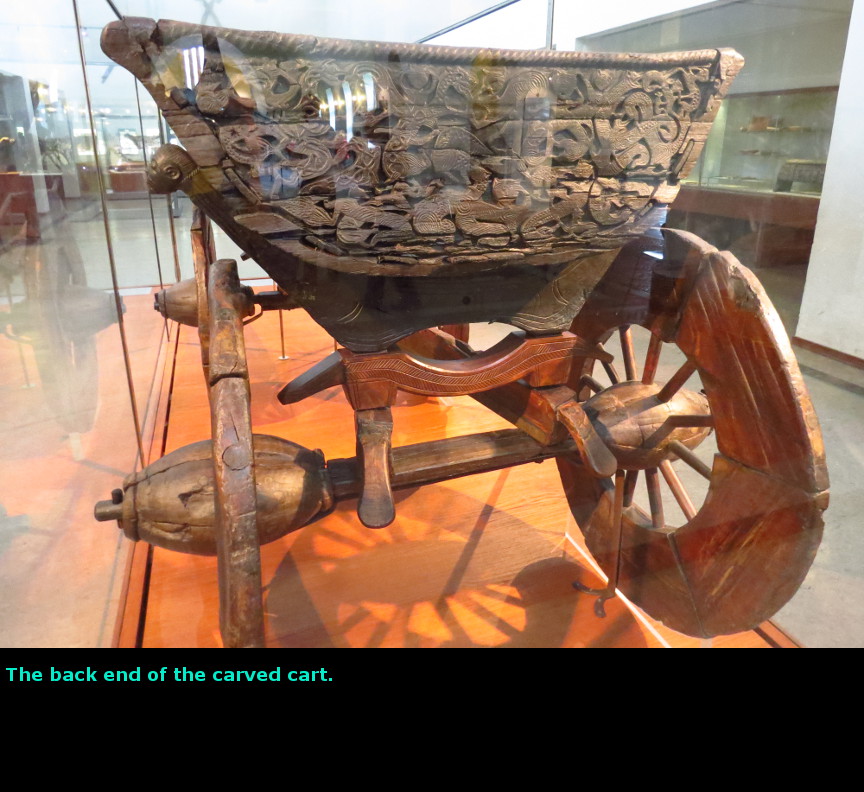
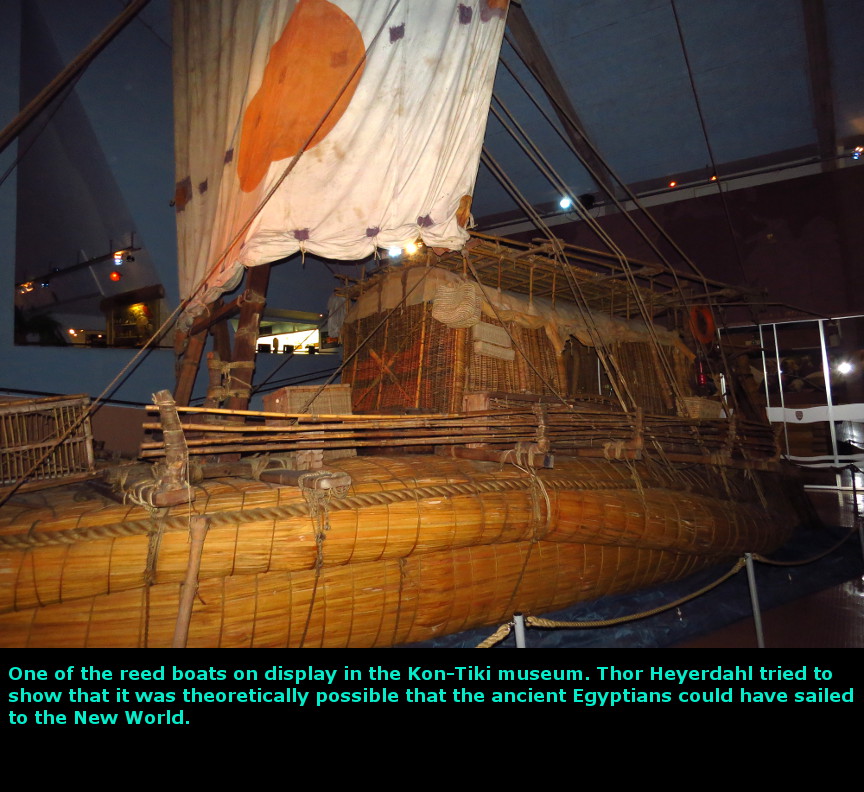
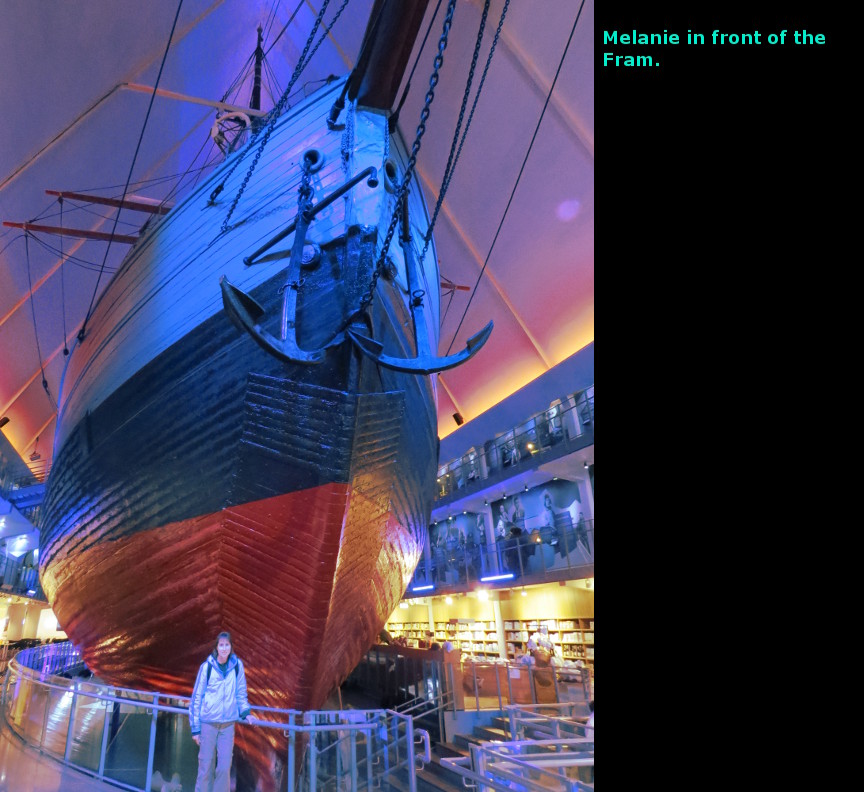
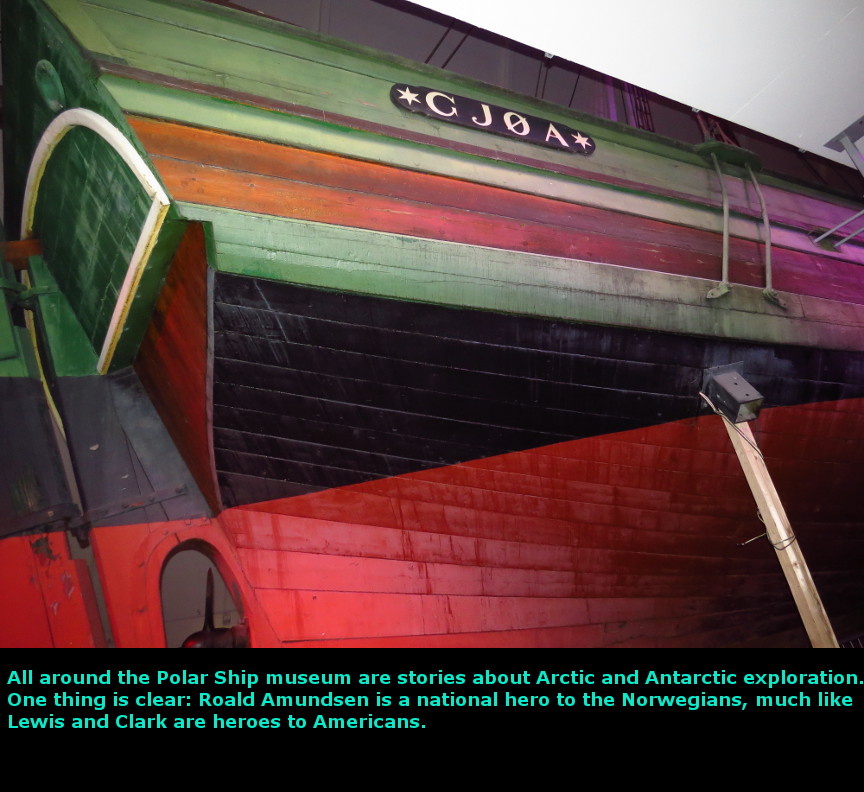
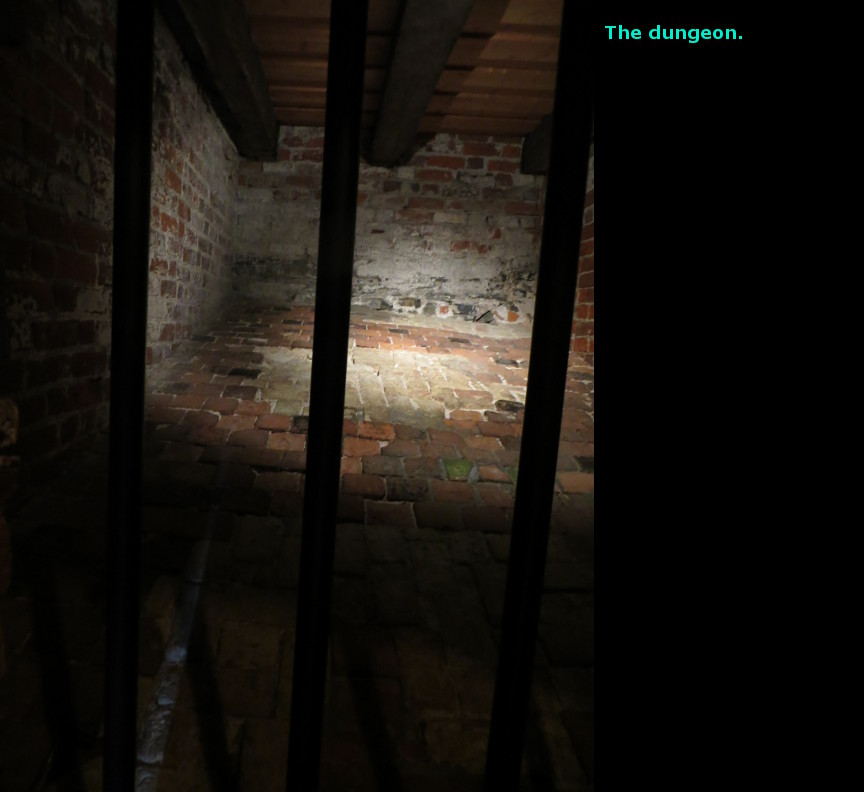
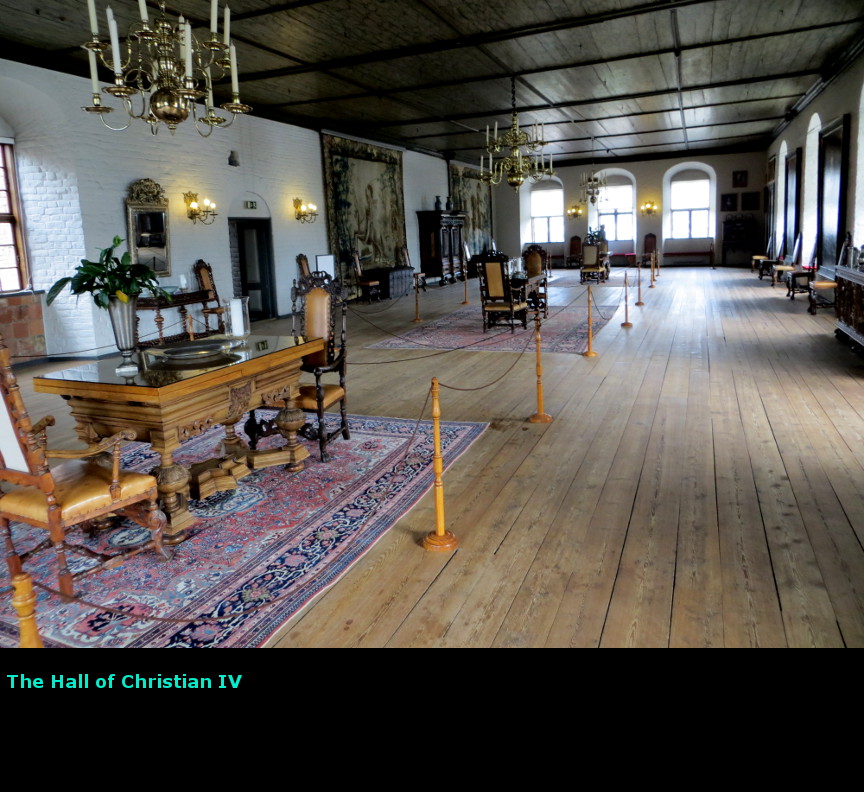
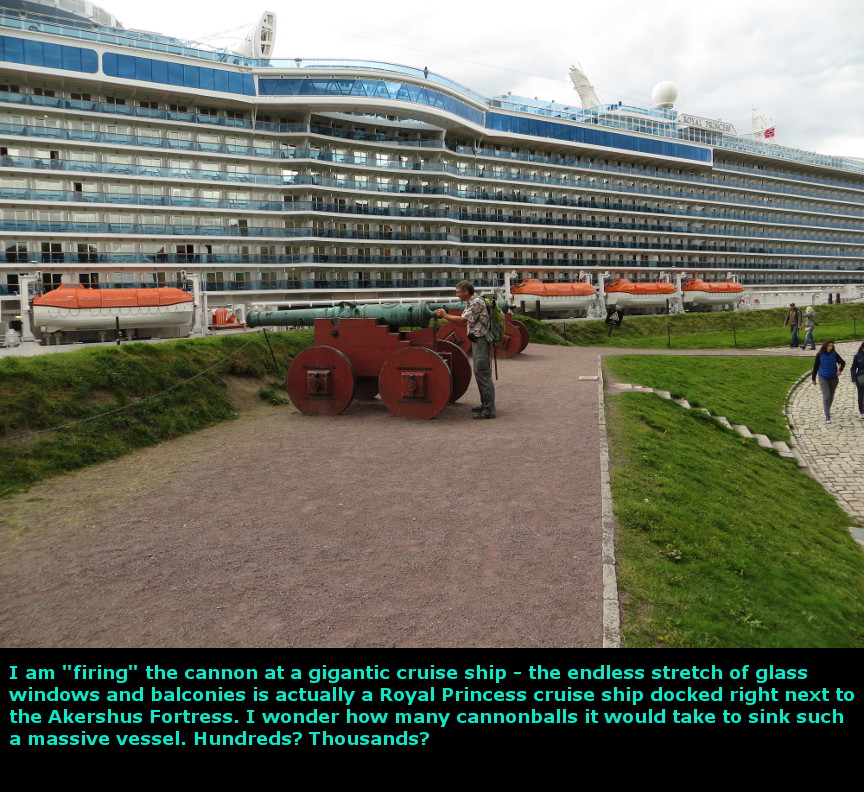
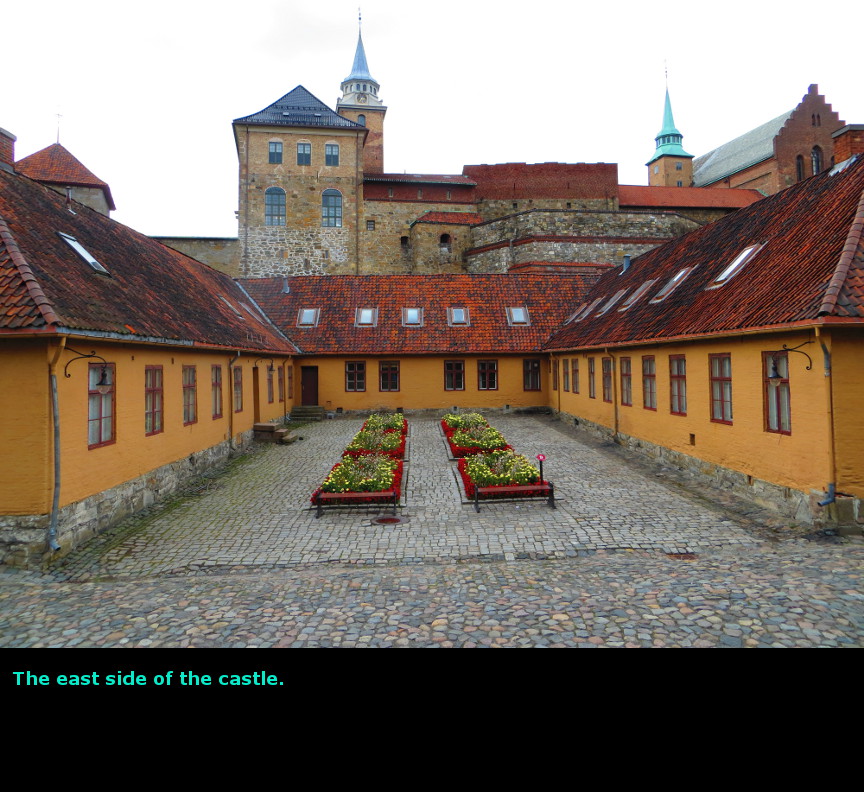
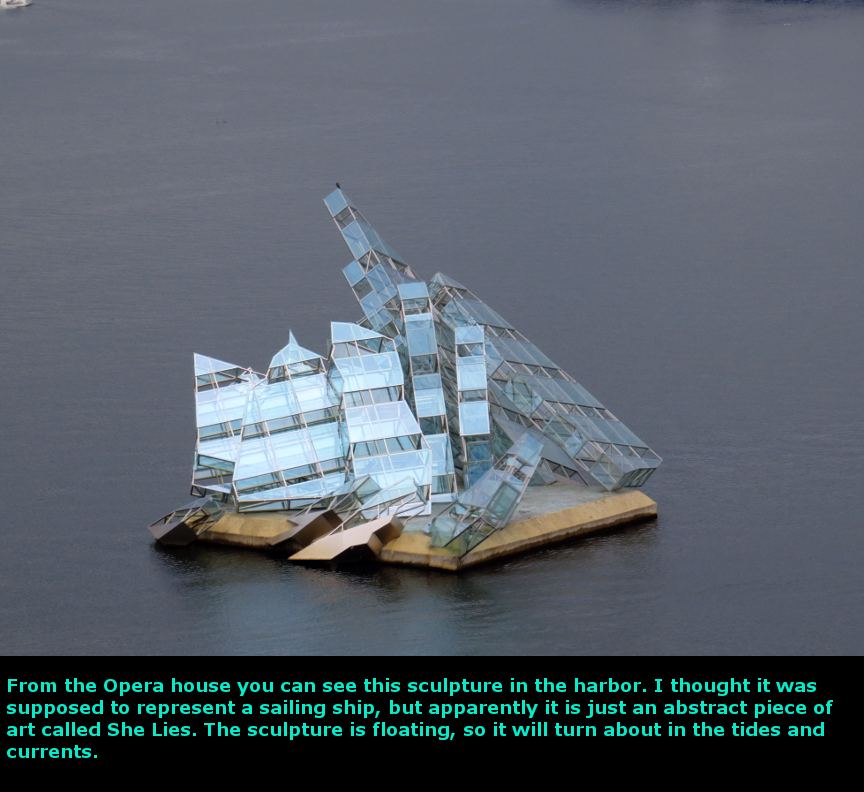
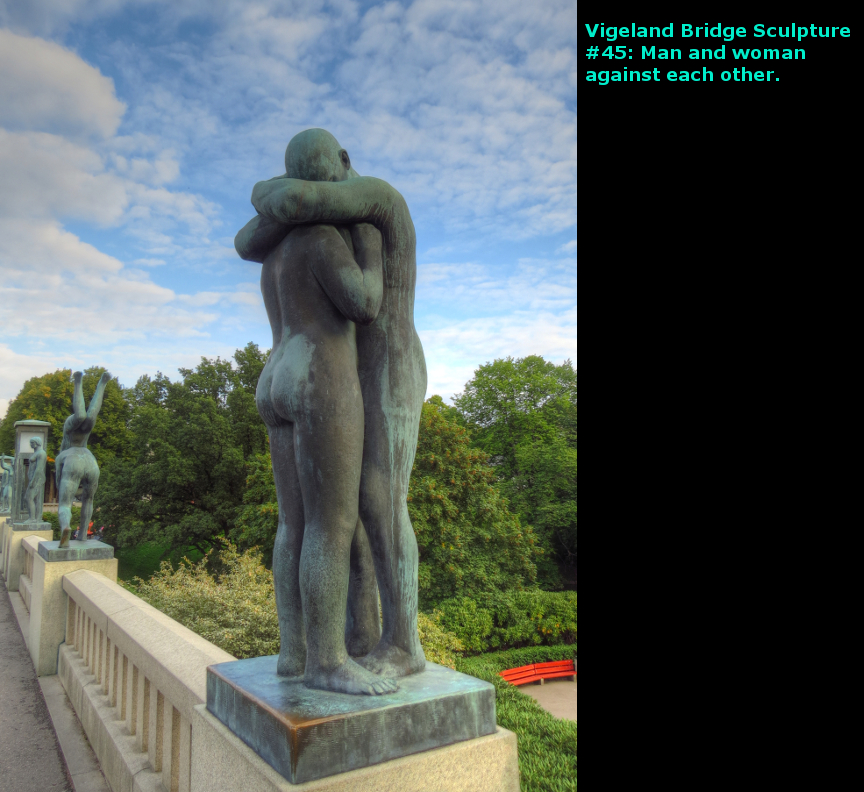
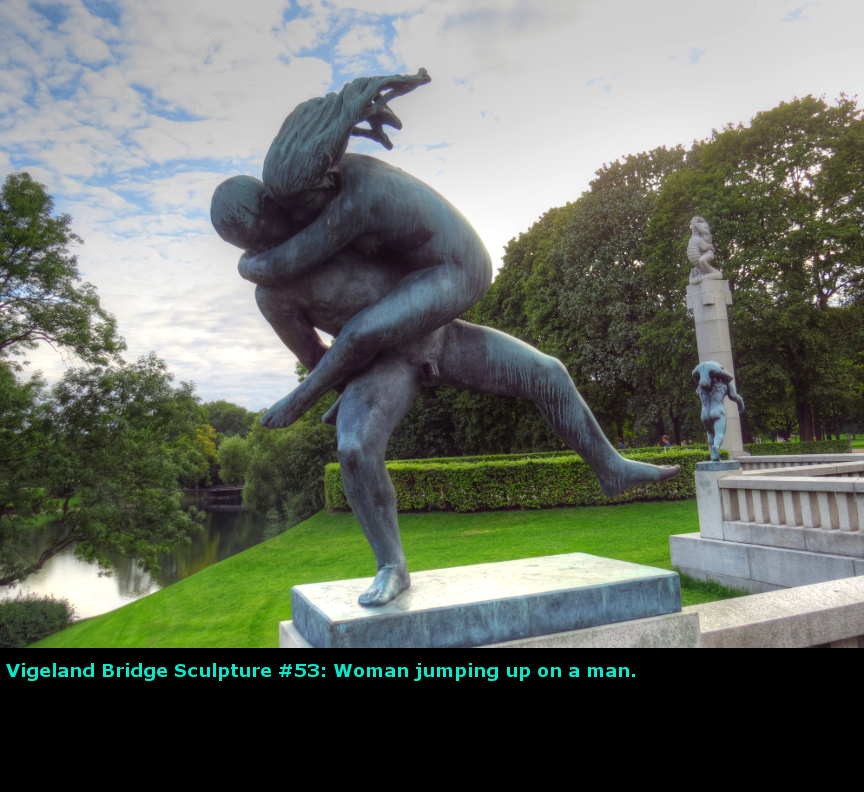
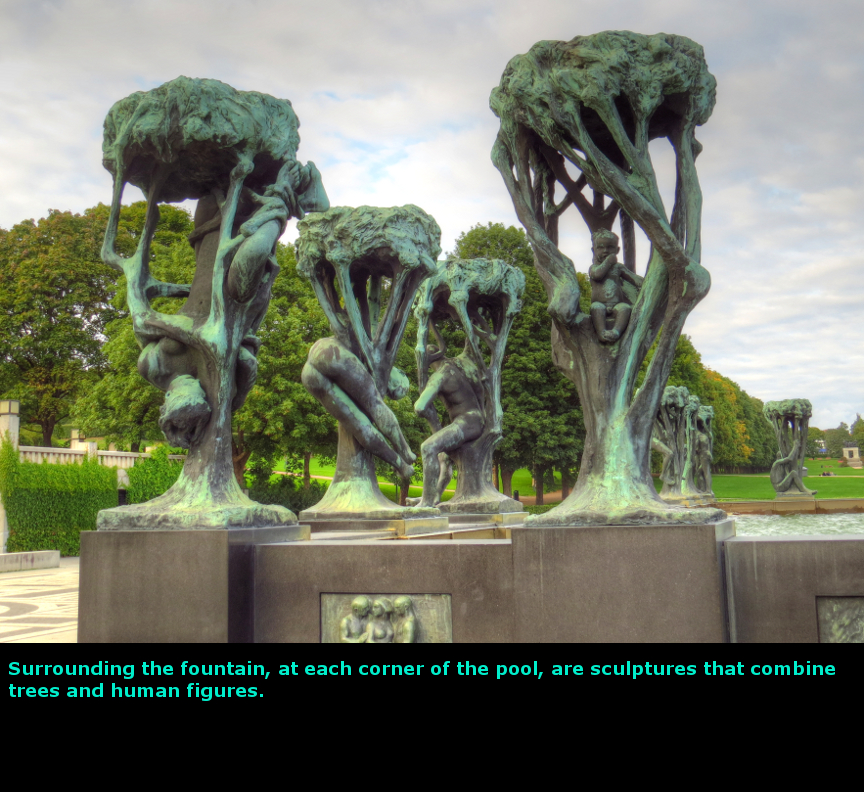
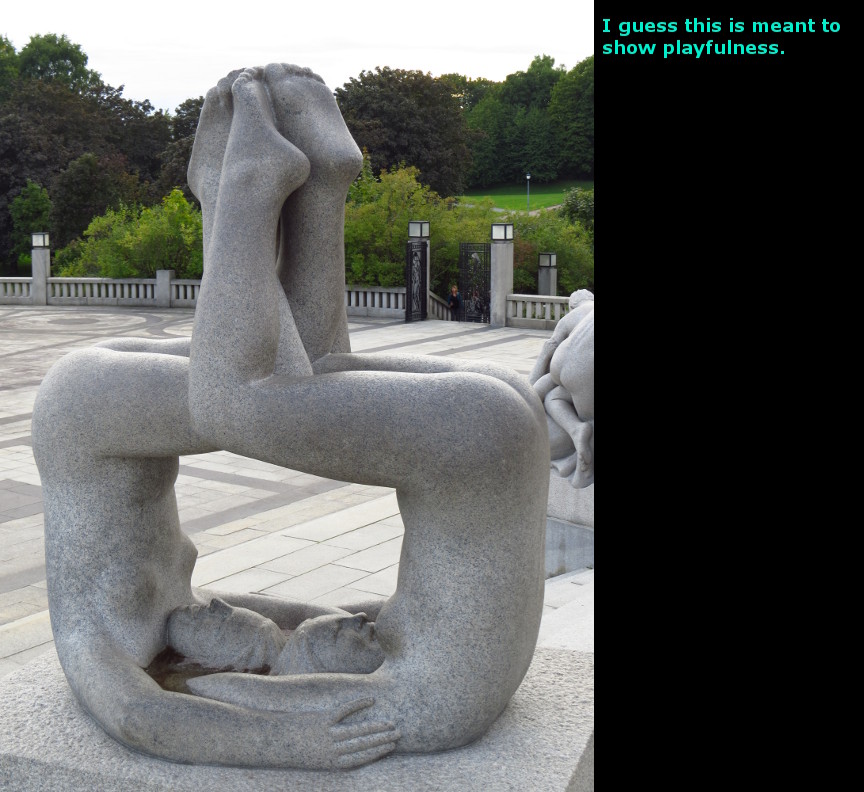
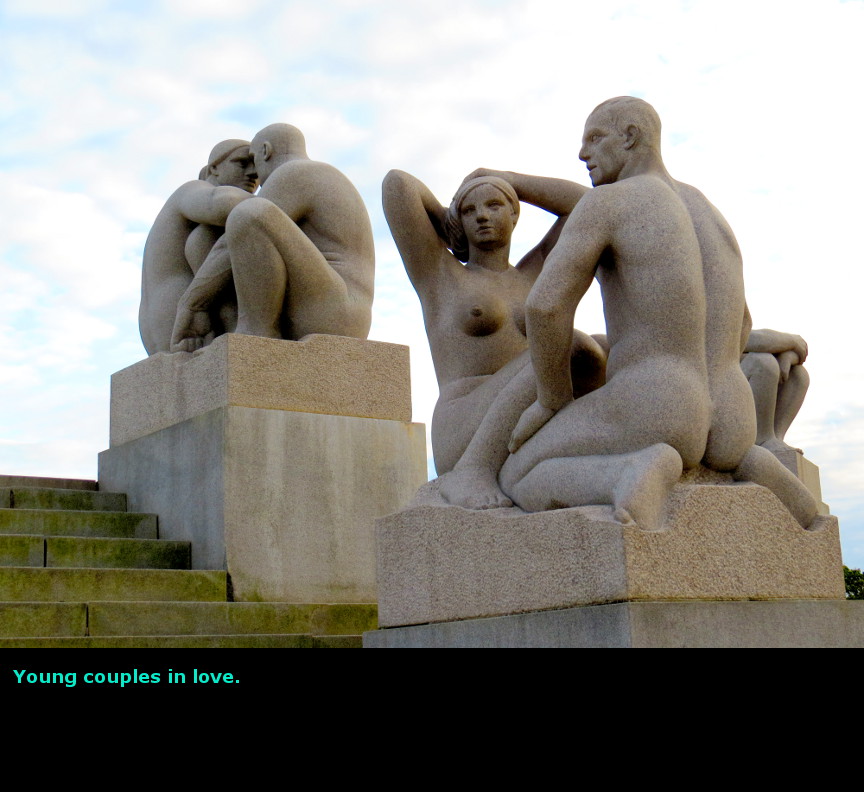
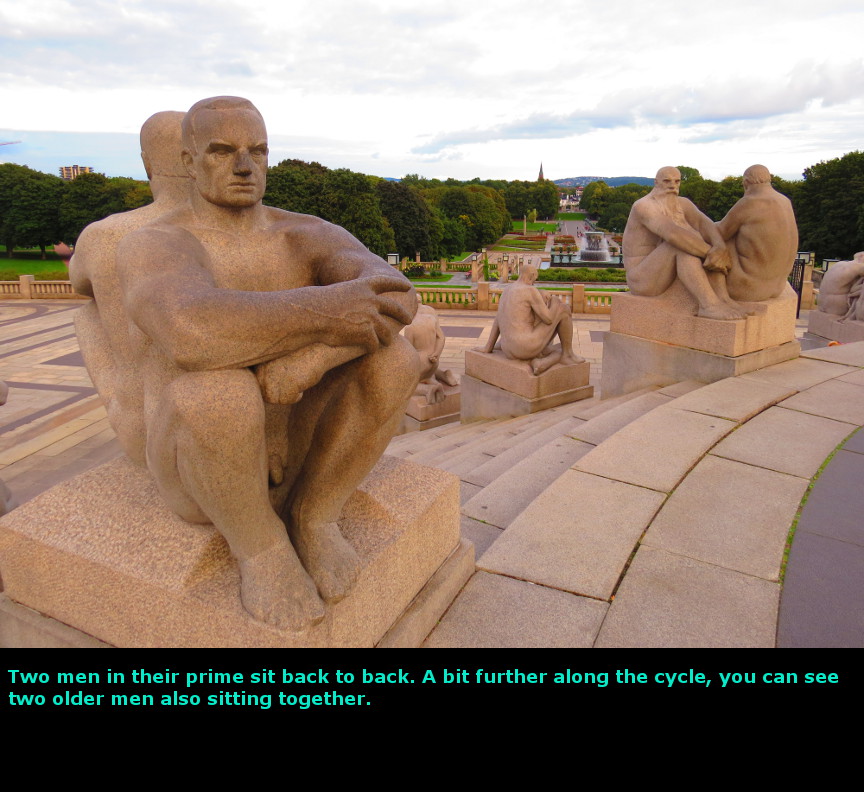
The highlight of this day was our tour of Vigeland Sculpture Park. Melanie had planned this day to maximize our usage of the 24 hour Oslo Card, so that we saw as many of the sights as possible, and also to minimize the amount of transportation. Originally, we were going to ride the bus back to our hotel, but we ended walking from the Opera House all the way back to Hotel. Our day started with a hearty breakfast at the Saga Hotel buffet. Fortified with a billion calories, we walked down to the bus top for the #20 bus. The Oslo bus stops have digital timers that show how many minutes before the next bus will arrive. They also display charts of how long it will take to travel to your stop. The bus was precisely on time, and, in seven minutes, it took us over to the entrance to the Viking Ship Museum. The Viking Ship Museum contains three Viking ships that had been used in graves to bury important individuals. The ships were found, along with many of the grave goods, and placed on display in this museum. The largest and best preserved ship was impressive. It had elaborate carving along the keel and prow - the ship was clearly never used as an actual seafaring vessel, but had been constructed for ceremonial purposes. It seems odd to bury such a wonderful piece of art in a grave, but now we can enjoy seeing the ship centuries later. The other two ships were in a more deteriorated state. The grave goods were also on display, including some sleds and a coach with some detailed carvings. The ships don't look that big, there is no "below decks" - each man sat on his sea-chest and rowed his oar - there was no where else to go on the crowded boat. They must have been real adventures to take such open boats out into the North Sea and North Atlantic. A short walking distance from the Viking Ship museum is the Kon Tiki museum. This museum celebrates the adventures of Thor Heyerdahl, the man who sailed the Kon-Tiki and Ra expeditions. Heyerdahl was trying to prove that it was possible that ancient mariners had reached the New World; his efforts demonstrated that it could have been theoretically possible. However, DNA testing indicates that the native New World populations are not mixed with Polynesian or European or African ancestors. Next door to the Kon Tiki museum is the Polar Ship museum. This contains the Fram, a ship uniquely built to withstand the crushing pressures of polar ice. Norwegian explorers famously led expeditions into both polar regions, the most famous of course was Roald Amundsen's race in 1910 to the south pole, beating Britian's Robert Scott by five weeks. There was a lot of information about Amundsen's achievements in this museum. His successes installed a strong sense of national pride in Norwegians, who had only gained their independence from Sweden in 1905. We took a passenger ferry across Oslo's fjord, and found ourselves right outside of the Oslo City Hall. However, it was closed on Sundays. We ate lunch in a pleasant courtyard with flower beds and views of the harbor. The Nobel Peace Center is next to City Hall. I confess, I was not impressed. The main exhibits in the museum appeared to be extolling the wonders of Facebook and Twitter, exclaiming how social media would bring democracy to all people. It seemed like the deeds of the previous Nobel Peace Prize winners were an afterthought, the place was a gigantic advertisement for Facebook. They had a map of the world up on the wall that ranked every country in terms of "how democratic" it was. Surprisingly, Norway had the best score! We walked over to the Akershus Fortress. This ancient castle was constructed in the 1290's. It was strategically located to control the shipping from Oslo's fjord, so it was the seat of power in the kingdom. We started on the self guided tour, when Melanie noticed that some of the other tourists were wearing headphones. So we returned to the beginning and picked up our own audio guides, which were included with admission, but somehow we had walked right past them on our first entry. With the audio guide, we learned historical details about each of the rooms, which made our tour more interesting. We also walked around on the castle grounds, looking over the walls - I would say we had a nice view of the Oslo Fjord, but all we could see was a gigantic wall of glass and steel from a cruise ship that was berthed right beside Akershus. It is an easy walk from the Akershus Fortress over to the Oslo Opera House. This building was just recently finished, and it is clear that Norway hopes it becomes an iconic structure, much like the Sydney Opera House is a recognisable landmark on its skyline. The Oslo Opera House has long sloping ramps that allow you to freely climb right up to the top. It looks like it is designed to allow for outdoor performances. We were there too late in the day to try and go inside. We headed back toward the city center. We stopped at the Oslo Cathedral, but it was locked. From the Oslo Cathedral, we walked along a wide pedestrian street called Karl Johan's Gate. Karl Johan was a king of Norway, the royal palace is at the far end of the street at the top of the hill. There are museums, theaters, hotels and parliament buildings along the walk. There are statues, street performers, restaurants and host of things to look at. We walked all the way up to the Royal Palace, and then continued on back to the Saga Hotel. A few blocks west of the Saga Hotel is the Vigeland Sculpture park. This is one of the highlights of Oslo, one of its most famous attractions. Gustav Vigeland was a sculptor who created dozens of statues of humans of all ages in natural poses. It took him years to finish the 214 sculptures, which contain a total 758 figures. These artworks are on display in park in four main sections - the Bridge, the Fountain, the Monolith Plateau and the Wheel of Life. We walked the central axis of the park, which is where the majority of these sculptures are displayed (there are additional statues around the periphery, but we did not visit them.) We encountered the Bridge first, which has 58 sculptures in bronze mounted on both sides of a bridge. The next area is the Vigeland Fountain. In the center of the fountain stand six giants who hold aloft a giant saucer from which the water flows. Surrounding the fountain are sets of sculpted trees inhabited by people of various ages. Vigeland seemed intent on showing all phases of the human life span, from infants to the elderly. The same theme of life and death is visible at the Monolith Plateau. There are 36 groups of granite sculptures around the central monolith, and again these artworks display the ages of a human life. The monolith itself it the most eye catching piece in the park. Carved from a single block of granite, it stands 46 feet high and contains 121 figures depicted in a wild struggle to reach the top of the monolith. The final major piece of artwork is the Wheel of Life, which shows four adult and three children formed into one giant circular sculpture; this might be intended as another representation of the Wheel of Life. From the Vigeland Park we walked back to the Saga Hotel. We had enjoyed excellent weather all day and saw some of the best attactions in Oslo. It was a good day. Today we drove zero kilometers, the car remained parked in the Saga Hotel lot. Panorama Photos


MapsThis map shows the route we took around Oslo on this day. Except for the one stretch where we took the bus to the Viking Ship Museum, and then the ferry back across Oslo fjord, all the rest of our travel was by foot this day. 
To display the photo images on this webpage, I am using a freely distributed java script called Lightbox v2.7.1 written by Lokesh Dhakar. You can download this program by clicking on this link. All the text and photographs on this webpage are my own creation, but the textured background is taken from a site, EOS development, that offers non-profit users free use of their graphics. Click the icon below to visit their site.
|
Click on any thumbnail to begin the slide show at that photograph Oslo Photos






























Vigeland Park Photos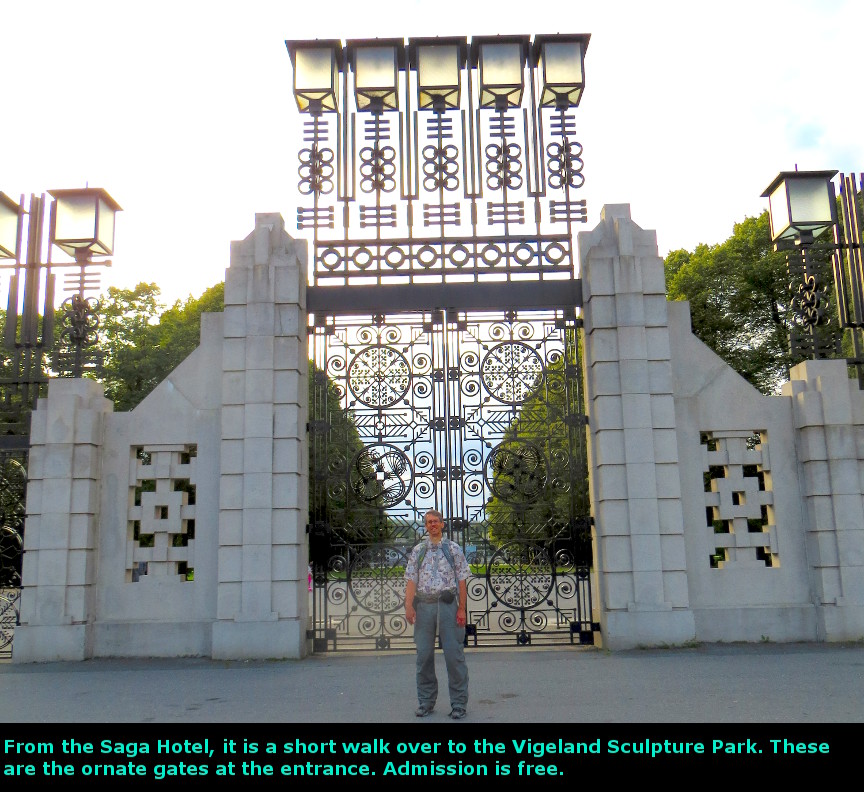














|