|
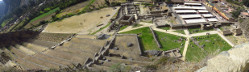
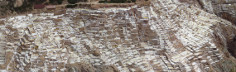
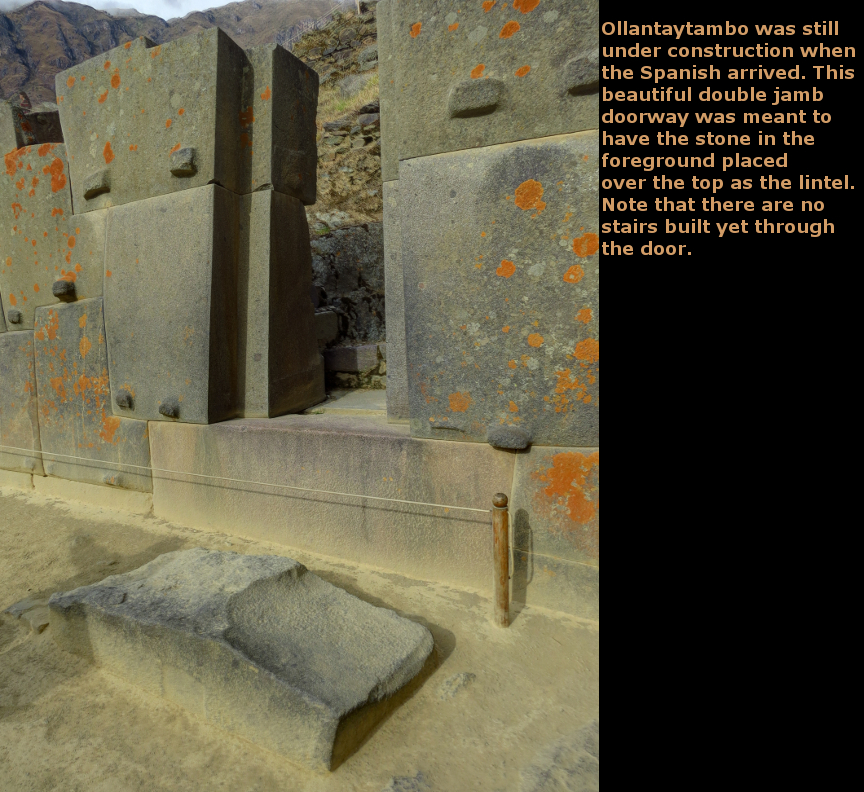
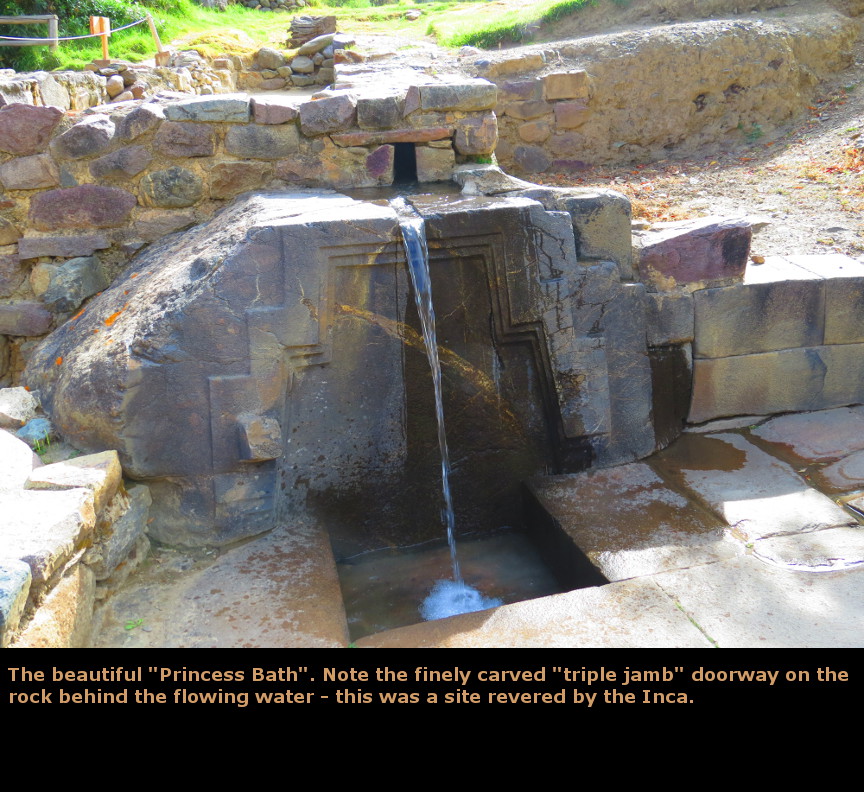
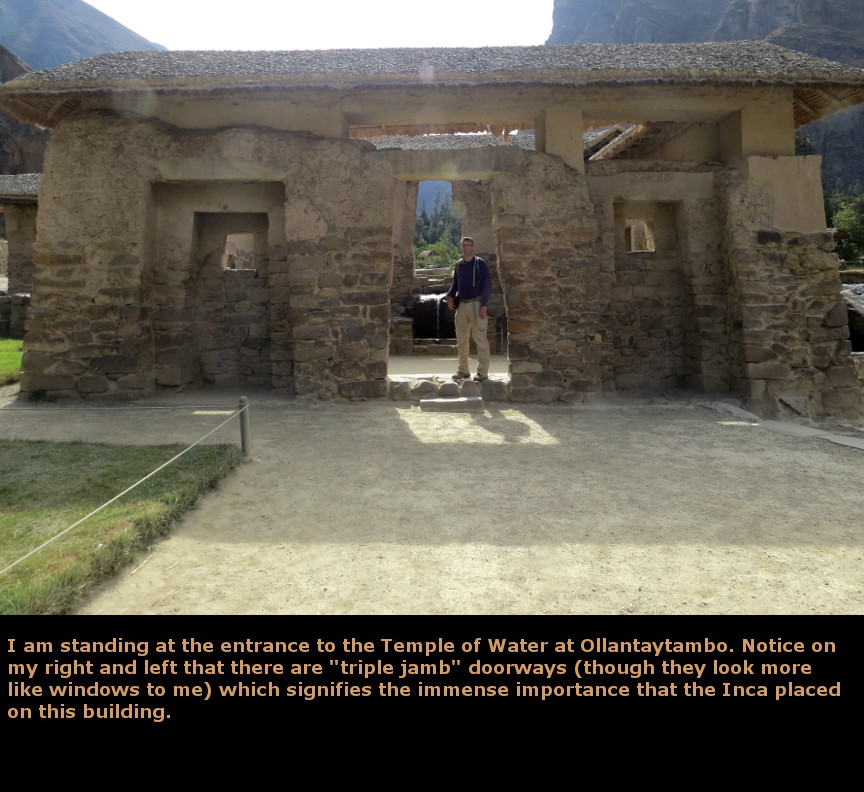
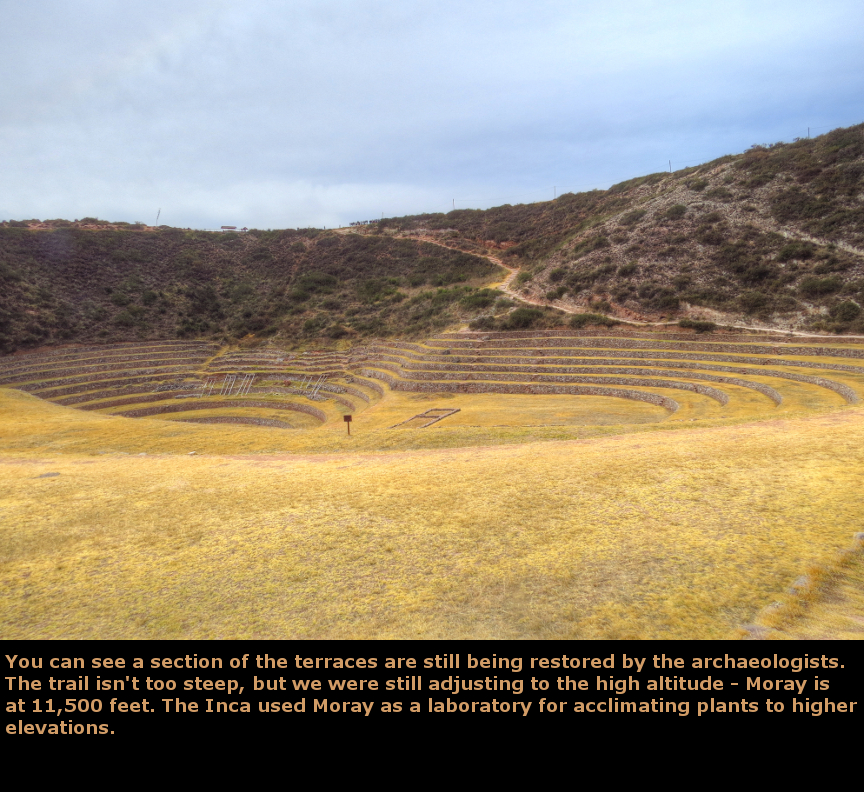
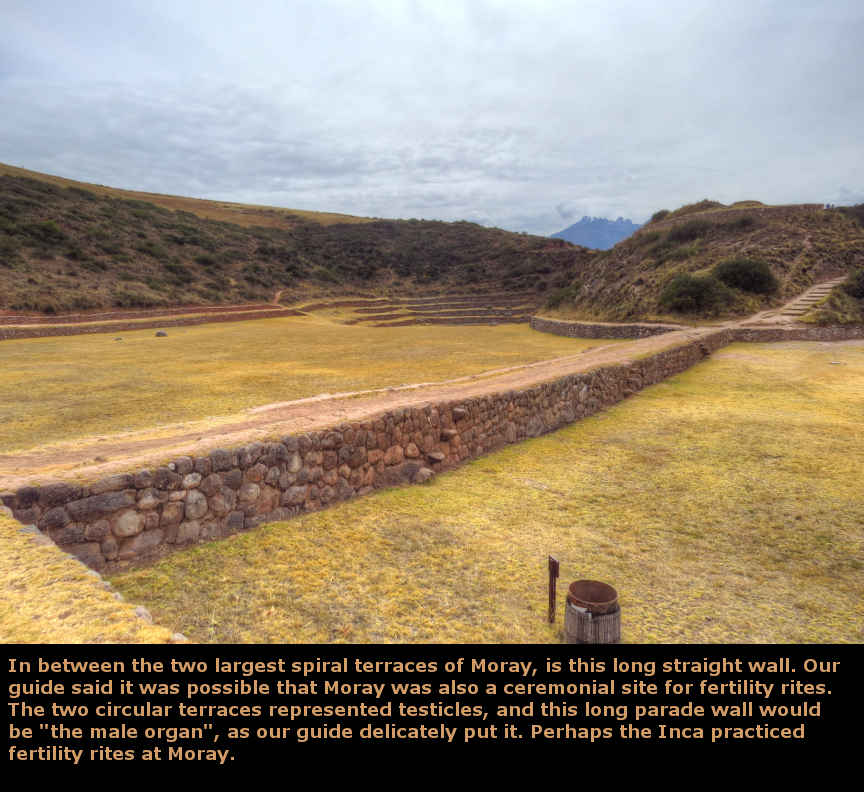
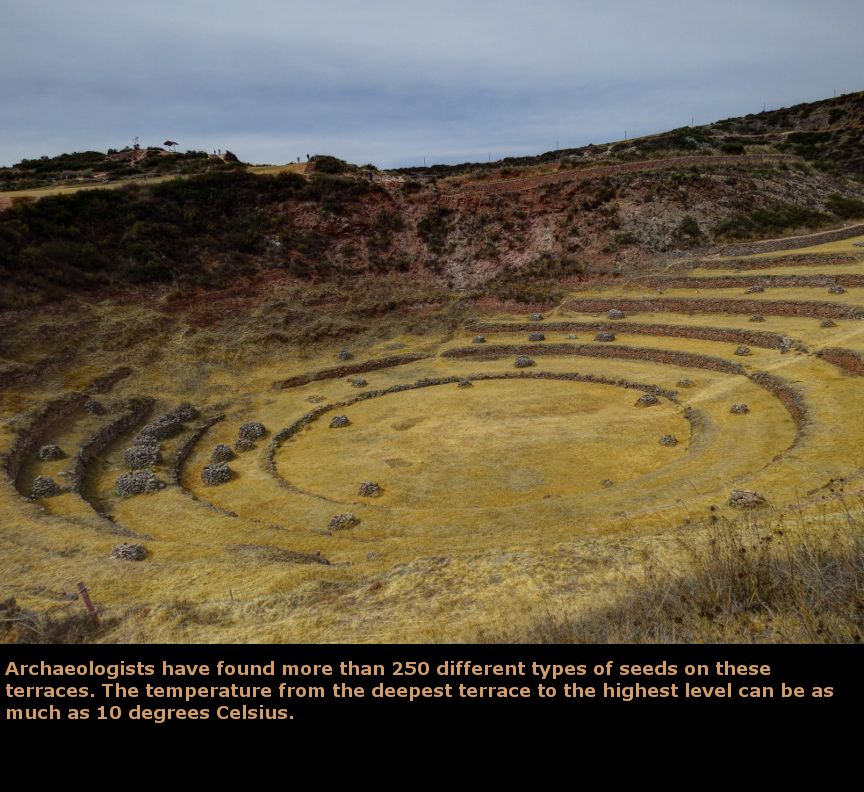
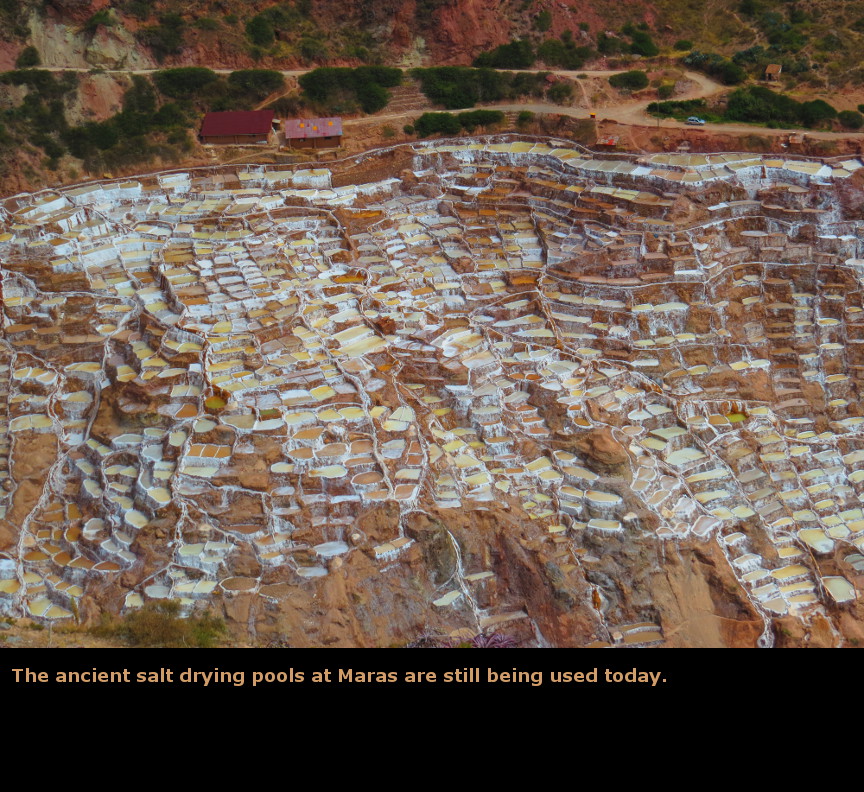
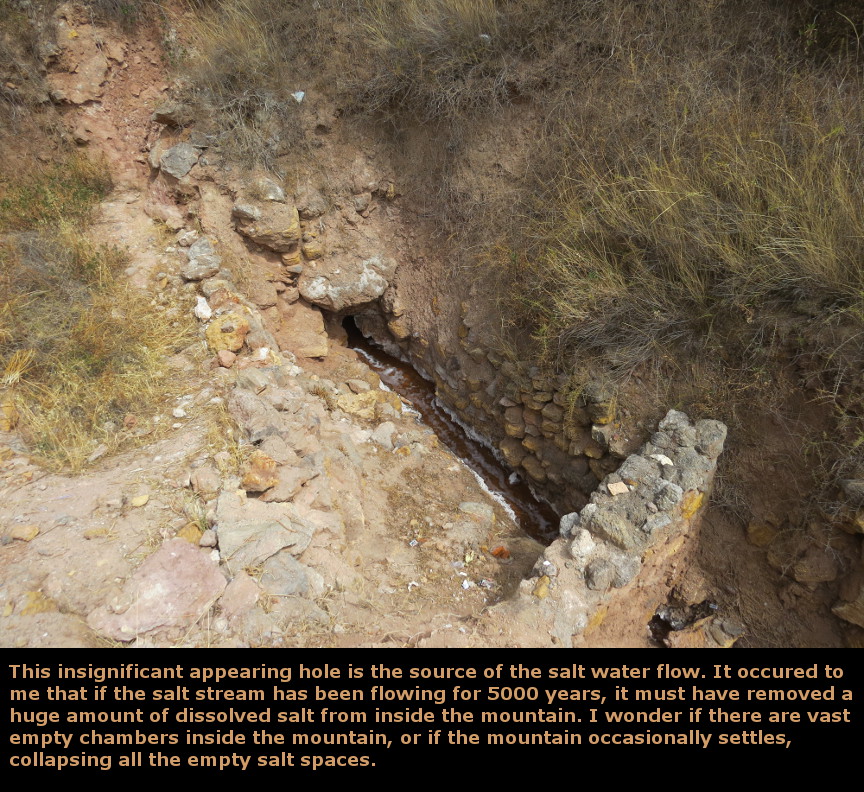
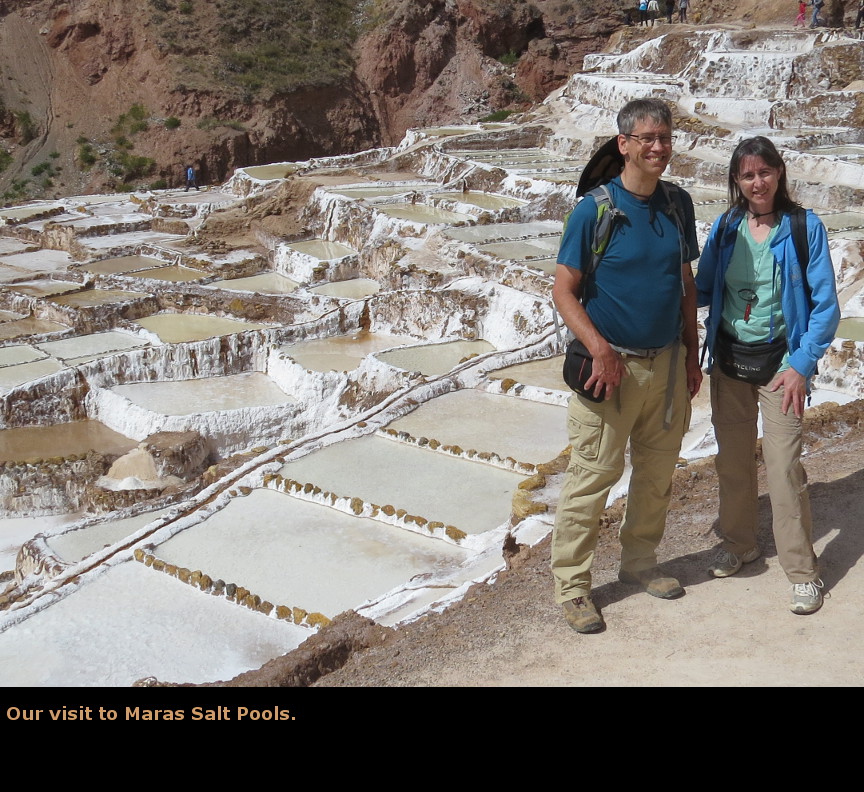
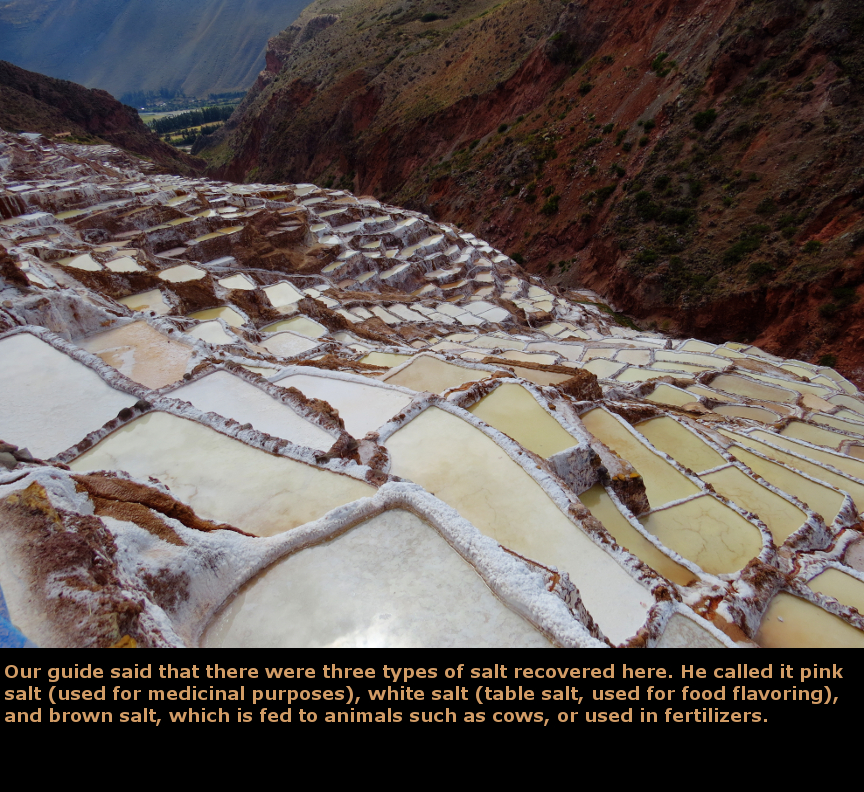
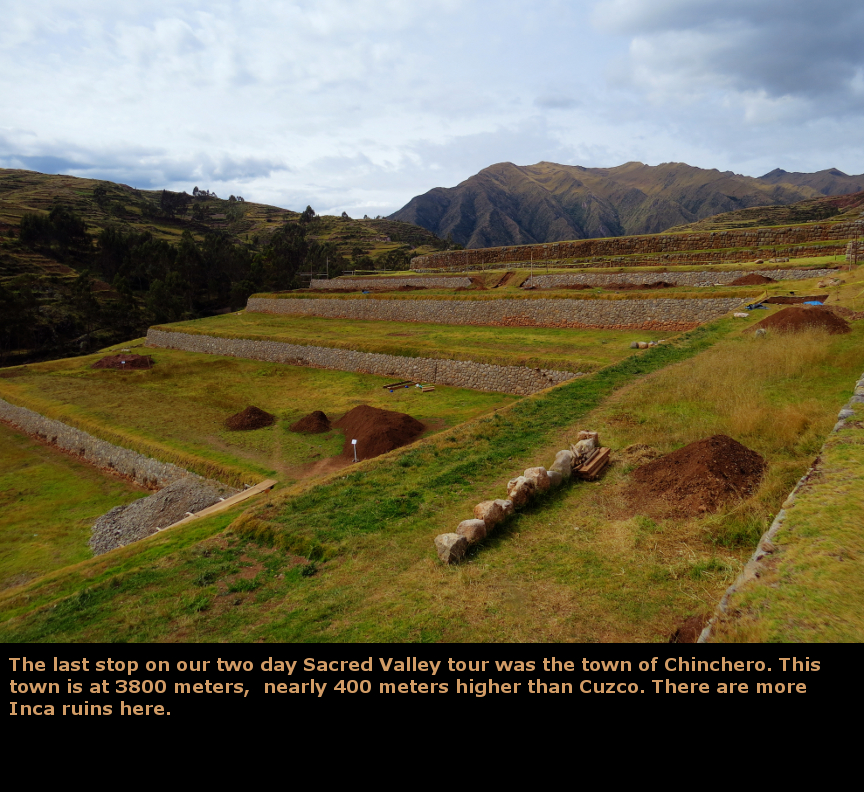
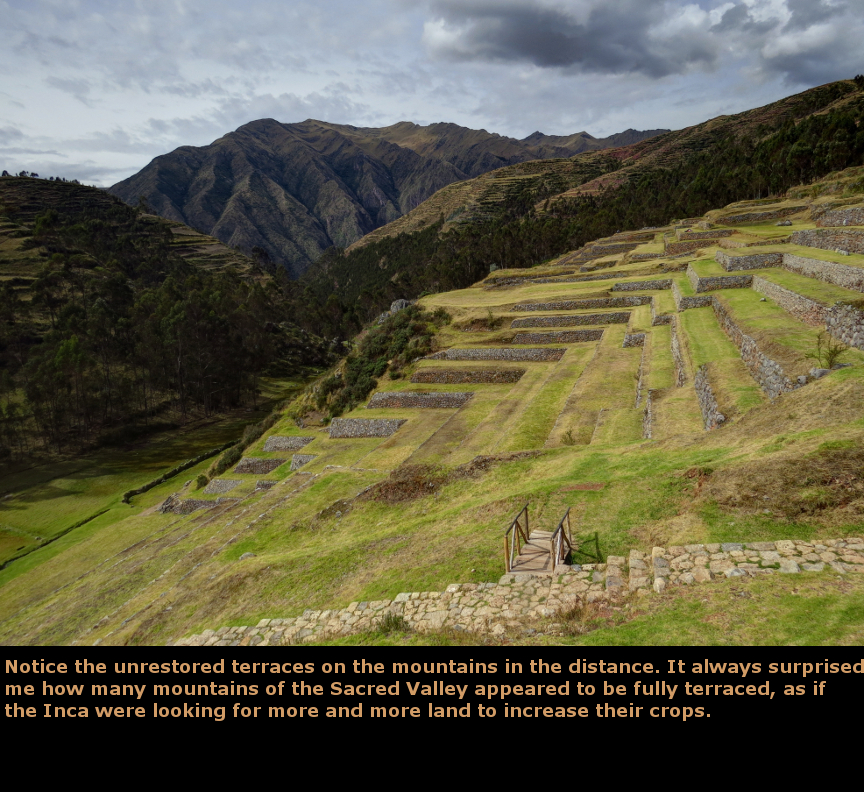
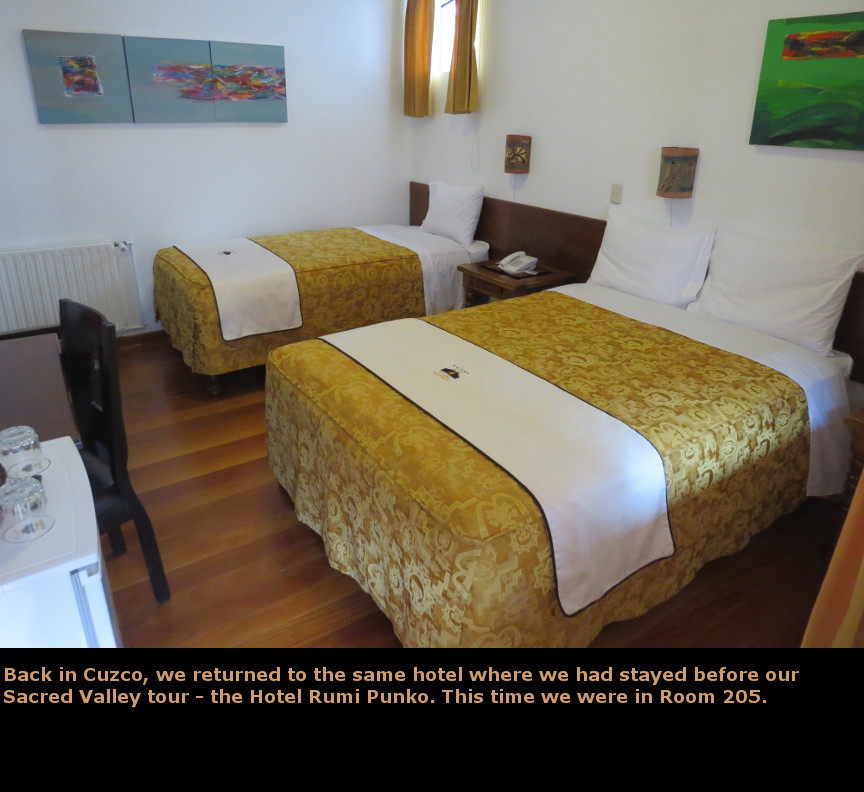
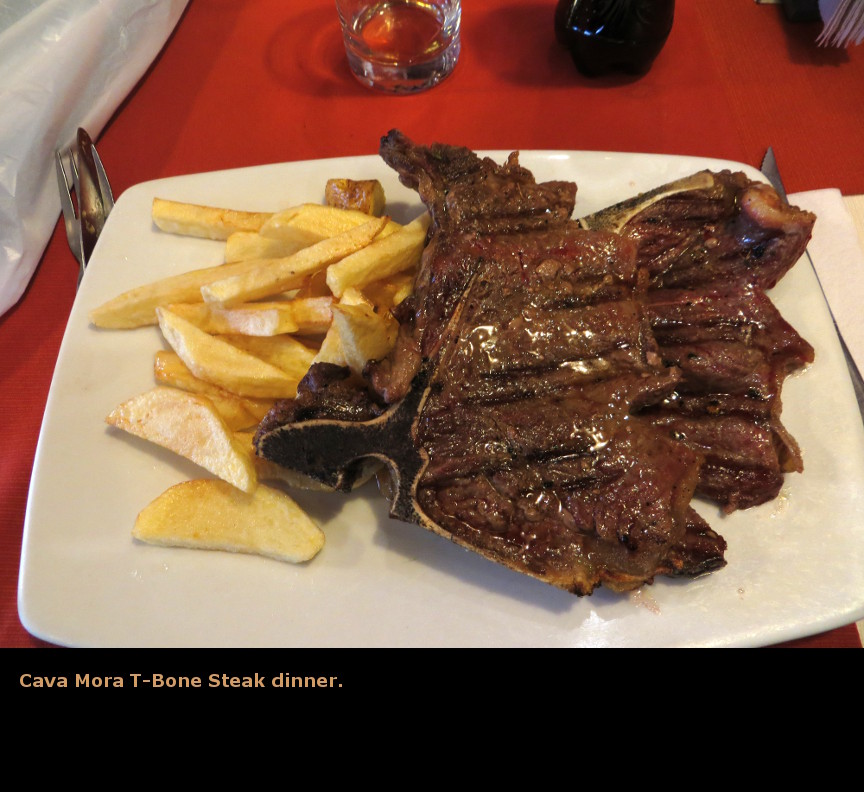
Today was our second day of the Sacred Valley Tour. We began the day with a guided tour of the impressive ruins of Ollantaytambo. Ramiro from Alpaca Expeditions was again our guide, though we had a different driver. Because the ruins are right at the edge of town, we were one of the first people on the site (about 8 AM), well ahead of the tour buses. We walked up the terrace steps to the temple complex at the top with hardly anyone else around. Machu Picchu gets a lot of hype, and deservedly so, but Ollantaytambo is also a noteworthy site. The terraces are built up the side of the mountain, leading to a huge Temple of the Sun at the top. Unfortunately, the temple was only partially constructed when the Spanish arrived - it consists of six monolithic granite stones, each of weigh at least 50 tons. If the temple had been finished, the giant stones would have stood in a square, with a sacred site on the top. It appeared that there once was a carving sculpted onto the front of the stones, but it had been chisled away long ago. Our guide acknowledged that the Inca did not have a formal system of writing, but he said, curiously enough, the Quechua language does have a word for writing, even though no evidence of any Inca script has ever been found. The Inca did have an elaborate system of knotted rope called quipos that recorded information. Ramiro told us that there were three types of quipos, which were color coded. The royal quipos contain information about the great Inca and ceremonies and religious events. The literary quipo recorded data about the towns and military. The mathematical quipos were used for accounting purposes, such as inventories of food stores, weapons, or tools. Ollantaytambo was a lodge or inn along one of the main roads that spread throughout the empire from Cuzco. Runners would have carried messages from the Inca to all corners of the vast land. Ramiro said that a message from Cuzco could reach Ecuador in five days utilizing this network of trained messangers. After Ollantaytambo, our driver took us across the Urubamba river and up a windy dirt road that climbed out of the valley and into the high country. He drove us to the site of Moray, which was an Inca botantical research site. The Inca converted several large sinkholes into circular terraces for growing crops. Each different level had its own microclimate; the Inca used these temperature changes to try to adapt low level plants to higher elevation. I wondered why any system of terraces couldn't be used in the same way, why was it at Moray that the Inca tried to adapt plants (specifically, cocoa plants) to higher altitudes. Nevertheless, archaeologists have found the seeds and pollen from a wide variety of plants on the different levels. We walked through Moray, and then drove a short distance to the unique salt mines at Maras. A small stream of briny water flows out from the mountainside - the natives direct this water to large, shallow drying tubs, where the water will evaporate, leaving the salt behind. Apparently this salt harvesting has been going on for thousands of years. We walked the narrow pathways between the evaporation bins, getting an upclose look at the ancient salt mines. Back in the car, we drove higher, until we reached the town of Chinchero at 3950 meters. There were more Inca ruins here, at the head of the Sacred Valley. Many of the terraces on the nearby mountainside were still in ruins, but near the temple, a large plaza and the terraces are restored. We also walked into the Spanish church (no pictures allowed!) built on top of the original Inca Sun temple. Apparently, some interior church murals were painted by Inca natives, so the church artwork contains hidden representations of Inca gods and culture. It is a short distance from Chinchero back to Cuzco, but off course the traffic was awful, so it took a while to get back to our hotel. Once again we stayed at Hotel Rumi Punku, though this time we got a room on the second floor. We went to the same Cuzco restaurant for dinner - I got steak and Melanie had the spaghetti. At 6:30 PM, we gathered at the Alpaca Expedition office for our pre-hike talk. Originally, our expedition was going to have 8 hikers, but apparently two people cancelled, and another couple would be picked up as we drove back through the Sacred Valley to the start of the hike. We met Louise and Gordon, a couple from Scotland. We also met Valentino, our guide. We were told that our duffel bags could weigh only 7 kg, and since the sleeping bag and mattress weighed 4 kg, we only had space for 3 kg of personal items (plus whatever we were willing to carry on our own back). All of the hotels in Cuzco have a scale so that Inca Trail hikers can prepare for their hike. Valentine told us to be ready for the 4:30 AM pickup time! Panorama Photos


MapsHere is a tourist map of Sacred Valley provided by Alpaca Expeditions. On our second day, the ruins at Ollantaytambo, the unique terraces at Moray, the salt factory at Salineras/Maras, and the ruins at Chinchero.
This map is posted at Ollantaytambo, identifying the most signficant features at the site.
VideosIf you do not see the videos, but instead see a message that says: "Error: Video playback aborted" it is possible that the content is being blocked by your web browser. You may see a message at the top or bottom of your page that says "restricted webpage from running scripts or ActiveX controls". If you see that message, click on the ALLOW BLOCKED CONTENT box and that should allow these videos to run.
To display the photo images on this webpage, I am using a freely distributed java script called Lightbox v2.7.1 written by Lokesh Dhakar. You can download this program by clicking on this link. All the text and photographs on this webpage are my own creation, but the textured background is taken from a site, EOS development, that offers non-profit users free use of their graphics. Click the icon below to visit their site.
|
Click on any thumbnail to begin the slide show at that photograph Day 4 Photos





















|